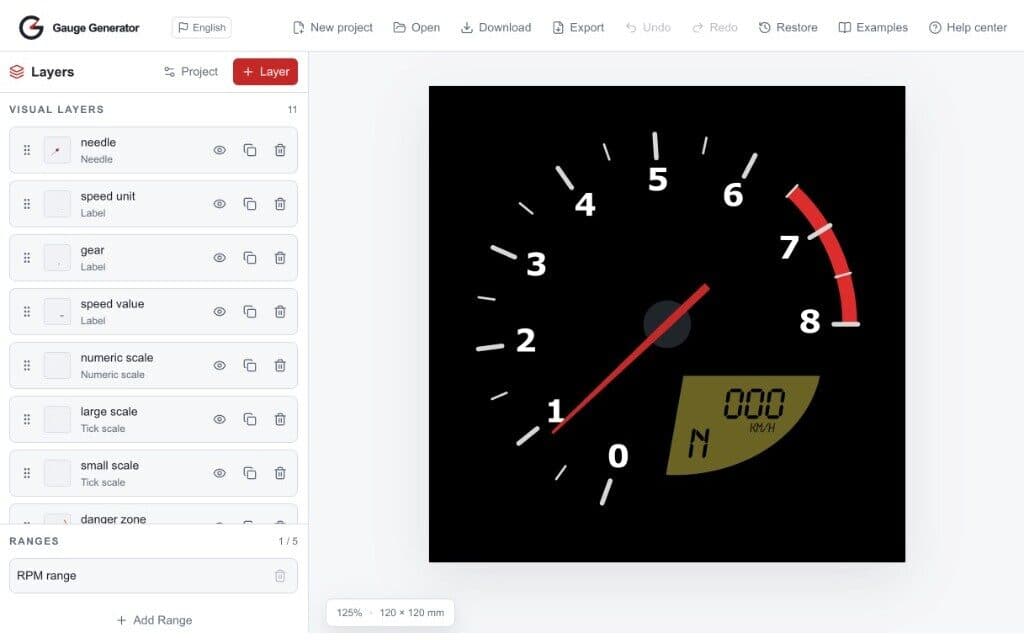
Gauge Generator 2.0
I used this remaster of my 2019 application to test an AI workflow, from the specification and a quick start through staged development. I made the architectural decisions and conducted the final code review myself.
I design and develop software.
From architecture to deployment.

I develop my skills by building personal projects, from interfaces and backends to electronics and 3D printing.
Scroll down to finish this project with me.
Thanks for the help, now go play with it :)
Open this page on a computer to see the animation at its best.
I’ve been programming since 2013 and working professionally since 2020. I’ve built web applications, backends and mobile apps, and today I also connect software with electronics. React and TypeScript are where I have the longest track record, but I choose the technology to fit the problem, not the other way round.
In my professional work, I’ve worked on software architecture and as a Tech Lead while continuing to write code. I therefore tested architectural decisions directly in the implementation instead of treating them as a separate stage. I take the same approach to personal projects: I start with a concrete problem, choose the tools and bring the solution to a working state.
I started with projects focused entirely on software. Redark began with a custom WordPress theme, and migrating it to React and Gatsby taught me to plan a technology change without losing a working service or its SEO. With DIY Arduino Dashboard I moved beyond software alone — months of independent learning, building electronics and working around Arduino’s constraints showed me how code behaves in a physical device.
Later, I began building larger systems and integrating them with physical devices. The smart home system brought together React, a Node.js backend and device communication. Daily use required tests, logging and monitoring that help me find problems quickly. In VHS HTPC, I had to combine software with mechanical design, electronics and 3D printing, then fit all the components inside a real VCR enclosure.
I worked professionally on AI-powered tools before coding assistants became widespread. With Gauge Generator 2.0 I used AI throughout the process, from writing the specification and breaking the work into stages to conducting my own code review. In PiGuard GSM, AI helped me configure Linux and understand the poorly documented communication with a Huawei modem, allowing me to devote more attention to the electronics, enclosure and reliability of the entire device.
From early experiments to systems used every day. Each project brought a different challenge and an opportunity to learn something new.
I used this remaster of my 2019 application to test an AI workflow, from the specification and a quick start through staged development. I made the architectural decisions and conducted the final code review myself.
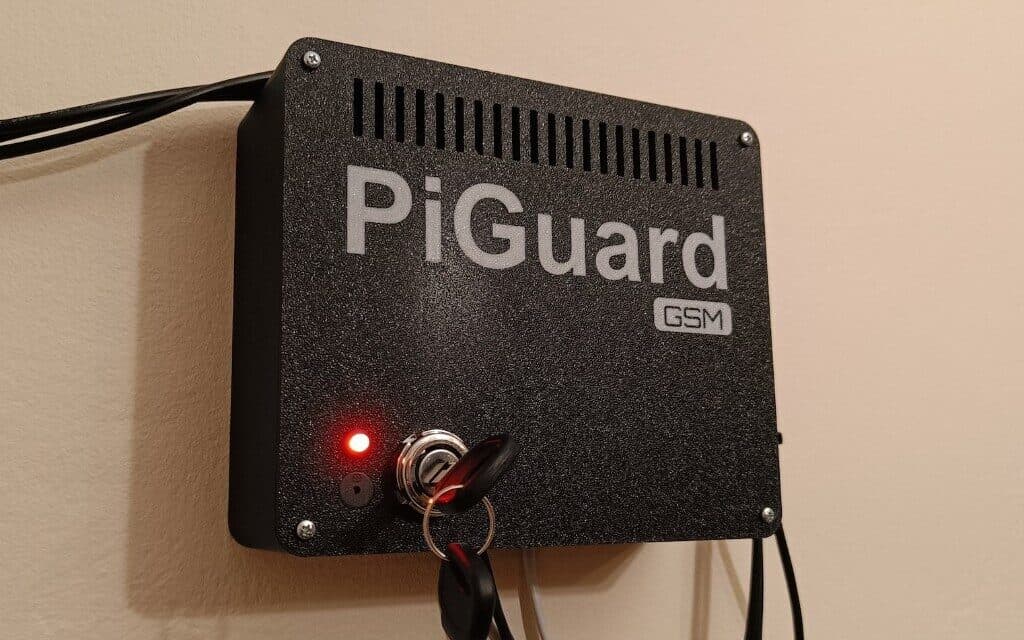
A self-contained Raspberry Pi alarm controller combining software, electronics and a 3D-printed enclosure. AI assisted with the Linux configuration and understanding the poorly documented communication with a Huawei modem. The device remains in operation today, protecting one of the properties.
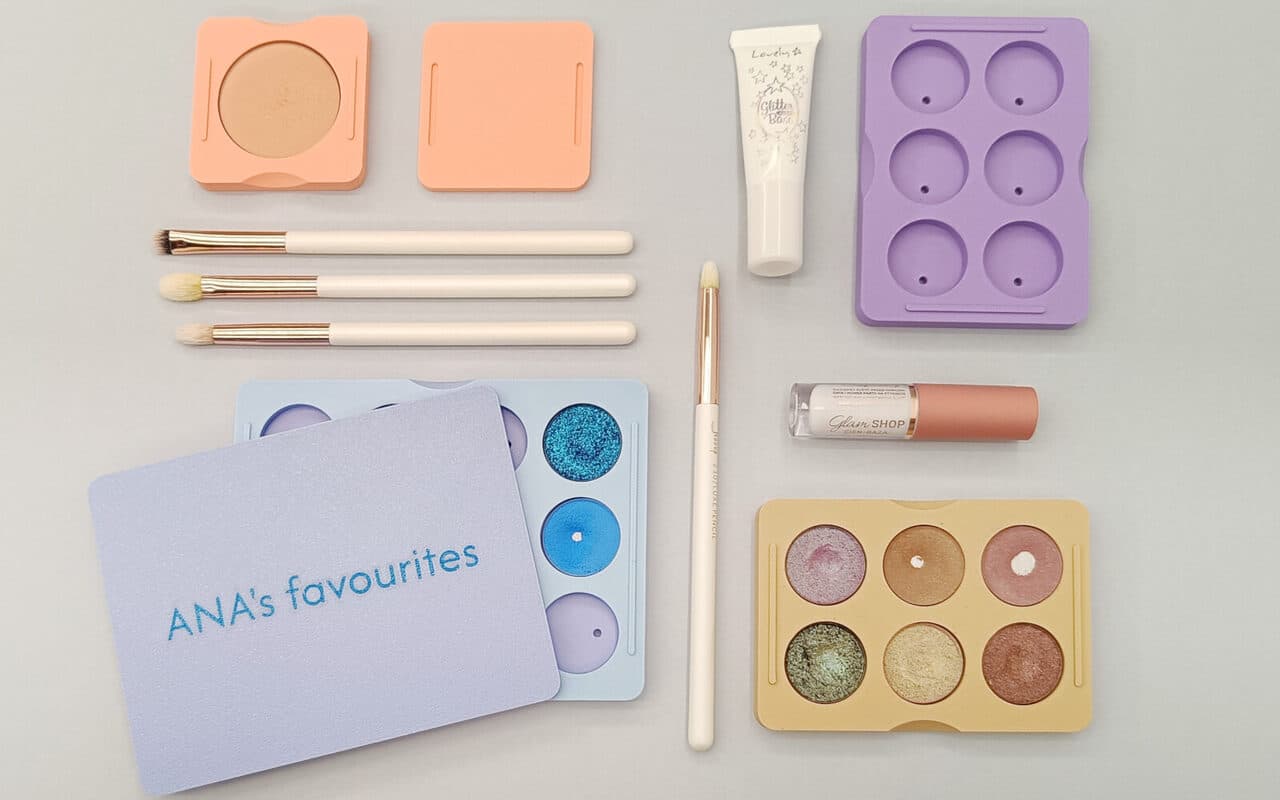
My sister and I built this generator in two days. The OpenSCAD script lets users change the palette geometry and layout, then generate a printable model. AI helped with the code and modelling.
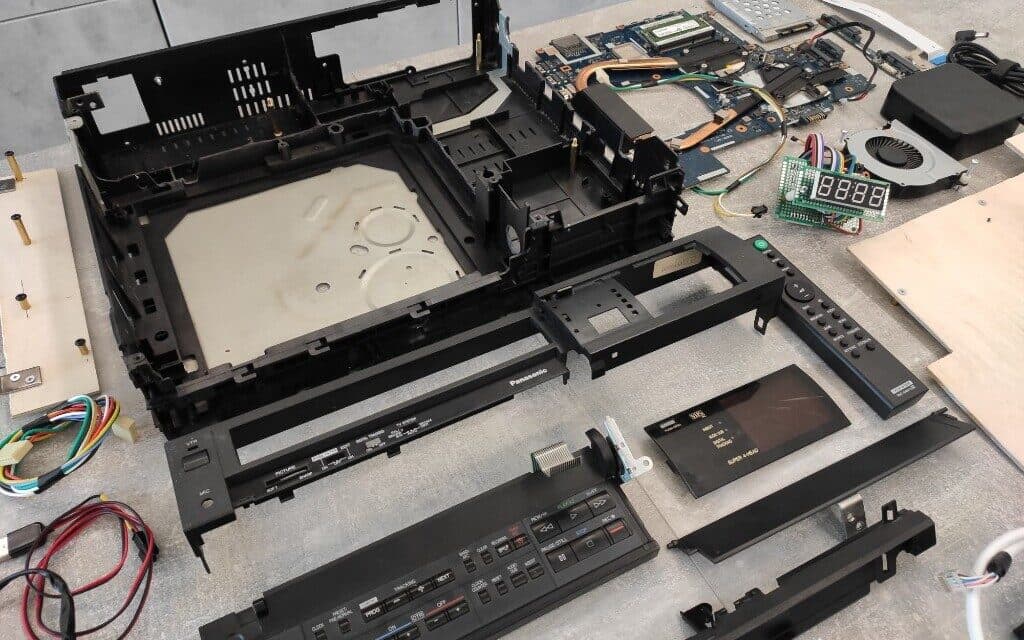
A retro VCR was rebuilt as a media PC. The laptop components had to fit on several levels inside the compact enclosure and work together mechanically and electrically. A hand-soldered ESP8266 controller communicates with a Windows application and operates the display and remote. The device remains in use today.
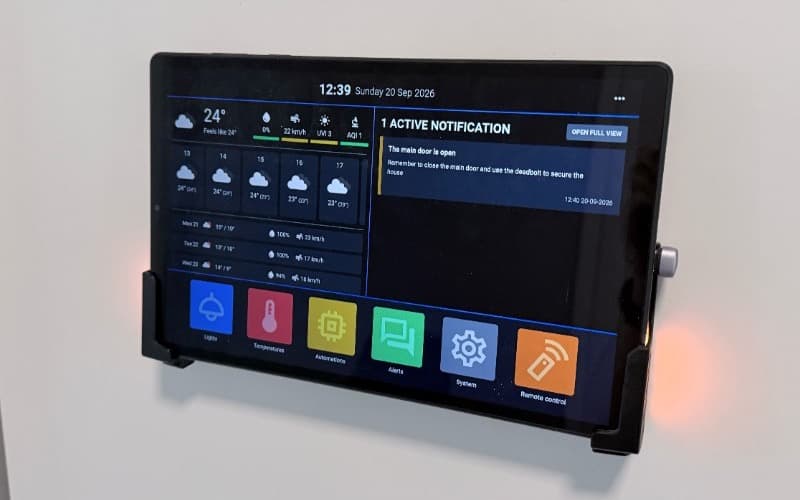
A custom system for everyday home control from a tablet, phones and physical remotes. The React frontend communicates with a tested Node.js backend that handles more than 300 Home Assistant entities, automations, notifications and device monitoring.
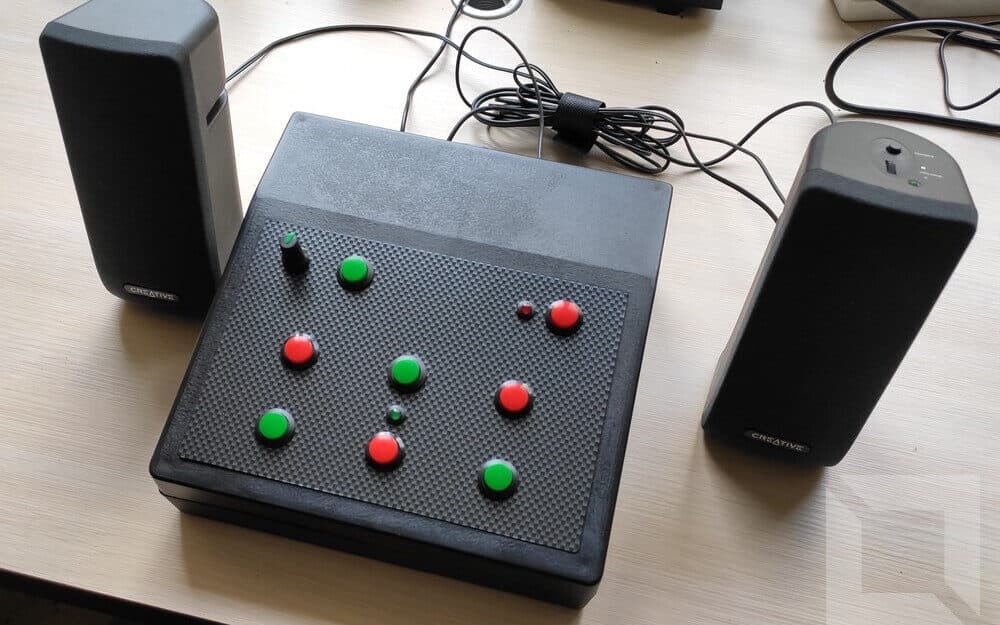
A dedicated audiobook player created for an older, visually impaired person who found standard devices too complicated. Large physical buttons make it easier to use independently, while a Raspberry Pi running a Python application and an ATtiny85 circuit handle safe startup and shutdown.
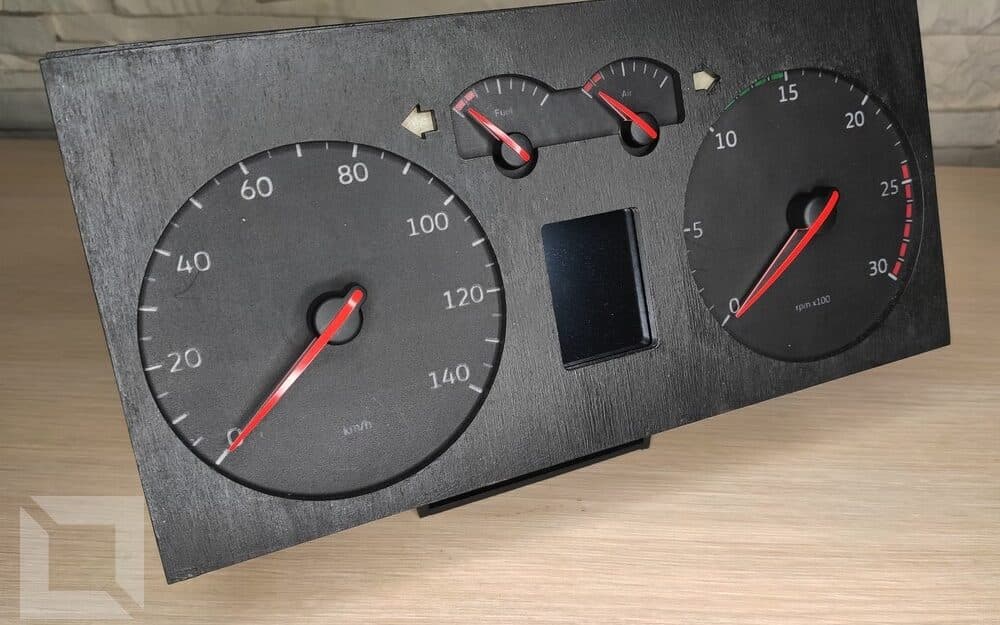
Physical vehicle gauges display telemetry from ETS2 and ATS. The project includes handmade electronics and gauge faces, a C#/WPF application with the Gauge Generator, and Arduino firmware written in C++. Hardware constraints required optimisation across the entire system.
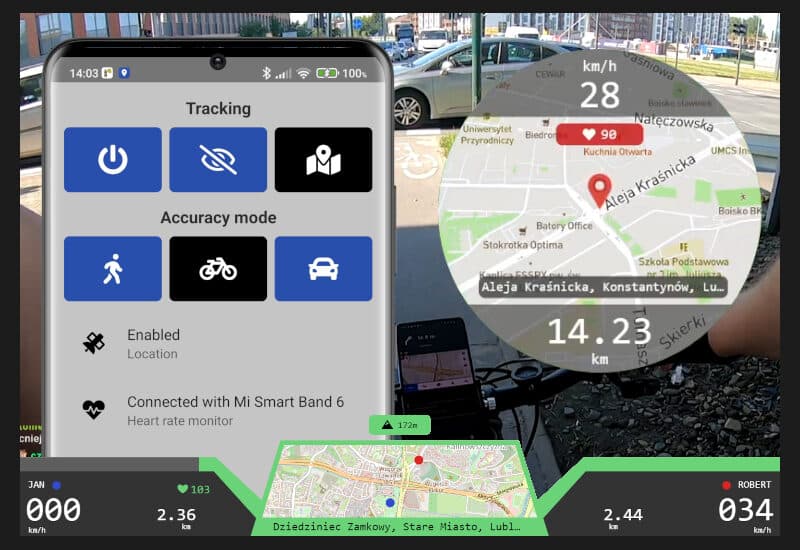
A private MVP for an IRL streamer. The React Native and Expo application sent phone location data to a map widget and received heart-rate readings over Bluetooth LE, making both visible on the stream.
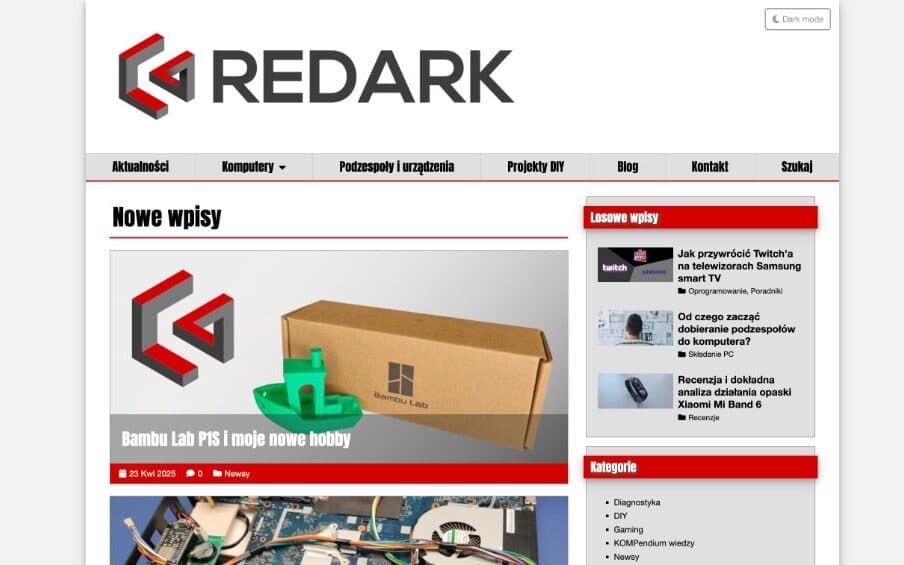
A technology blog where I share knowledge and document my projects. In 2020, I moved around 80 articles from WordPress to Gatsby and MDX, preserving their URLs and preparing the site for search engines. I also wrote tools for the migration, link checking and deployment.
These are just some of the projects I’ve created — there have been many more. On GitHub, you can explore my other repositories and follow my current work.
Visit my GitHubVisit my GitHub profile to see my repositories and recent activity.